-v2.jpg

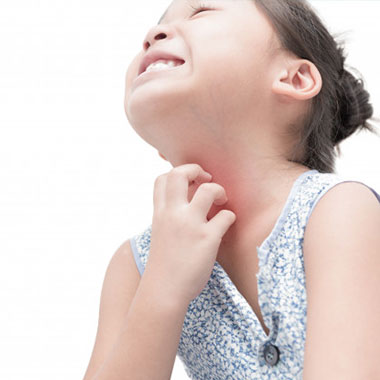
濕疹是一種很常見的皮膚問題,不僅會影響孩子,還會影響父母, 對日常生活及生活質素造成非常大的困擾。絕大多數病情是輕微及偶發的,但有些孩子可能情況會比較嚴重,影響到整個身體的皮膚,並可能導致併發症。

最重要的治療方法:保濕

輕微的濕疹可通加強保濕來紓緩。 許多患者忽視了保濕的重要性,尤其是當病情好轉時。 事實上, 根據醫學研究顯示 ,濕疹患者皮膚比較乾燥,皮膚更容易流失水份,因此保濕尤其重要。即使濕疹好轉也應持之以恆。 一般來說我會建議輕微的患者,每天至少要使用2次潤膚霜,並在病情惡化或天氣乾燥時增加使用次數,或轉用較滋潤的保濕霜。

另一個病人或家長常問的問題是:哪種保濕霜最好?根據我的經驗 ,沒有一種保濕霜是最好的。選擇最適合你您的保濕霜,可基於兩項原則。首先是保濕效果。有些產品剛塗上皮膚時保濕較果很好,但並不持久。 解決方法可以是增加塗抹的頻度。但如果實際上很難做到的話, 可能對於你來說 ,這不是最理想的潤膚霜 。有些潤膚產品 質感比較厚,效果相對持久, 但用於油脂分泌比較旺盛的皮膚,可能引致反效果,容易長出粉刺。 另外要考慮的 ,亦是我認為最重要的 , 便是患者是否願意勤力使用這種潤膚霜。 部分病人對於某種潤膚霜用後感覺並不舒服, 即使潤膚霜的成分和功效都比較理想, 但患者並不願意使用 也是徒然。 因此對於部分患者哪種牌子的潤膚霜較為理想還是其次,最重要是找一種患者願意佩合使用的潤膚霜 。至於選擇潤膚產品, 需要注意幾個要點。 避免所有帶有香味的產品。 即使某些產品聲稱是有機產品或成分天然 ,濕疹皮膚和兒童皮膚是非常敏感的,並且可能會對那些“天然有機成份”過敏。

另外要注意的是有些患者一直在使用相同的保濕產品。 這對於某些患者可能是適當的,但在香港,濕度和溫度的變化可能使其不可行, 因此可能要作出季節性的調節 。 輕微的患者 ,我建議在炎熱和潮濕的天氣中使用乳液,尤其是在白天外出時。在乾燥和寒冷的天氣,或在空調的環境中使用較滋潤的潤膚膏。 這些意見當然是參考,最重要是根據皮膚的狀態作出調節。

在皮膚嚴重乾燥的情況下,可考慮使用乾敷或濕敷包裹皮膚。方法是塗上潤膚膏後,使用管狀繃帶包裹皮膚,以達至更理想的保濕效果。

外用類固醇:藥物的好壞?

每種藥物都有機會有副作用,但是如果我們適當地使用,可以將其減至最小。 是否需要使用外用類固醇是臨床判斷。 類固醇藥膏通過阻止皮膚的炎症反應,從而減輕和消除痕癢和泛紅等症狀 。 我們不建議在患者沒有症狀時使用它以作預防。 但是,對於嚴重或症狀未能控制的情況,我們建議使用外用類固醇,以控制濕疹,並減輕因為痕癢導致搔抓的惡性循環。 許多父母擔心類固醇的副作用。 類固醇也有分比較強和弱的類別, 一般建議按照醫生指示使用 。如果按照醫生的處方使用,並在皮膚小區域或短期使用,通常不會引起嚴重的副作用, 因此家長不用太擔心。

濕疹是一種長期病,可能非常令人困擾。 但是, 隨著孩子長大, 情況一般都會慢慢改善。


.jpg

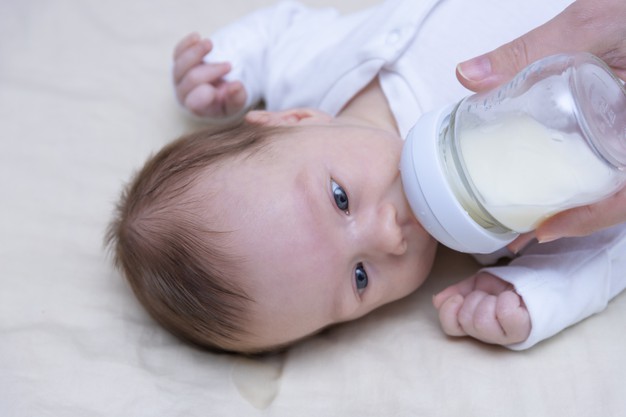
消費者委員會的嬰兒奶粉檢測報告刊登於第526期<選擇月刊> 按此觀看。這次的測試報告發現部分奶粉的 氯丙二醇脂肪酸酯(3-MCPDE) 和縮水甘油酯(GE)含量較高, 而且營養成分跟營養標籤有所差異。 家長選擇奶粉的時候值得參考。

其實絕大部分的嬰兒配方奶粉都是參考母乳的成分製成。 母乳是最適合BB, 最天然的食品。 如情況許可 ,世衛(WHO) 建議嬰兒出生後首六個月以全母乳餵哺。母乳成分除了比較容易吸收,BB少D便秘問題外,餵哺母乳亦可增加BB的抵抗力,因為母乳中含有免疫球蛋白IgA。研究亦發現,餵哺母乳改善腸道益生菌的生態,並有助腦部發展,提升親子關係。另外,提一提各位家長,BB六個月大以後,奶類食品未能完全配合嬰兒所需,應該開始增加固體食物,以滿足嬰幼兒急速發展的營養需要。


-行為問題.jpg
07/Apr/2020

兒童發展評估服務由兒科醫生或臨床心理學家進行,評估範疇包括:

  • 自閉症譜系障礙
  • 專注力失調/過度活躍症
  • 發展遲緩(大肌肉/小肌肉/言語發展)
  • 行為問題
  • 情緒問題(例如焦慮)
  • 懷疑讀寫障礙

Japanese-encephalitis_en.png
06/Apr/2020

What is it?

Japanese encephalitis (JE) is a vector-borne zoonotic viral disease. JE virus (JEV) is the leading cause of viral encephalitis in Asia. JE occurs in nearly all Asian countries, whether temperate, subtropical, or tropical, and has intruded into new areas through importation of infected vectors. Currently, an estimated 3 billion people live in the 24 countries, mainly in the WHO South-East Asia and Western Pacific Regions, considered at risk of JE.1

In temperate locations, the period of transmission of JEV typically starts in April or May, and lasts until September or October. In tropical and subtropical areas, transmission exhibits less seasonal variation, or intensifies with the rainy season.20

As JE surveillance is not well established in many countries, and laboratory confirmation is challenging, the true extent and prevalence of the virus and burden of disease are not well understood. It is estimated that 67 900 clinical cases of JE occur annually despite widespread availability of vaccine, with approximately 13 600 to 20 400 deaths, and an overall incidence rate of 1.8/100 000 in the 24 countries with JE risk.1

Mode of transmission

JEV is transmitted through a zoonotic cycle between mosquitoes, pigs and water birds. Humans get accidentally infected when bitten by an infected mosquito and are a dead end host. Humans do not participate in the spread of JE because of low level and short-lived viremia.2

Signs and symptoms3

Symptoms usually start at around 4-14 days after being infected. Mild infections may occur without apparent symptoms other than fever with headache. More severe infection is marked by quick onset of headache, high fever, neck stiffness, impaired mental state, coma, tremors, occasional convulsions (especially in children) and paralysis.

Treatment and complications3

There is no specific treatment for this disease. Supportive therapy is indicated. Death rates may range from 5% to 35%. Patients who survive may have neurological consequences.

Prevention

WHO recommendations: JE vaccination should be integrated into national immunization schedules in all areas where JE is recognized as a public health priority. Even if the number of JE-confirmed cases is low, vaccination should be considered where there is a suitable environment for JEV transmission, i.e. presence of animal reservoirs, ecological conditions supportive of virus transmission, and proximity to other countries or regions with known JEV transmission.1

Besides, to prevent contracting the disease, one should take general measures to prevent mosquito bites, apply effective insect repellents (containing DEET) to exposed parts of the body and avoid going to rural areas from dusk till dawn when the mosquitoes spreading this virus are most active.22

General Measures on Preventing Mosquito-borne Diseases:3

  • Wear loose, light-coloured, long-sleeved tops and trousers, and apply effective insect repellents containing DEET to exposed parts of the body & clothing.
  • Use mosquito screens or bed nets when the room is not air-conditioned.
  • Apply household pesticide to kill adult mosquito with a dosage according to the label instructions. Do not spray the pesticides directly against functioning electrical appliances or flame to avoid explosion.
  • Place mosquito coil or electric mosquito mat / liquid near possible entrance, such as window, to prevent mosquito bites.
  • Prevent the accumulation of stagnant water
  • Put all used cans and bottles into covered dustbins.
  • Change water for plants at least once a week, leaving no water in the saucers underneath flower pots.
  • Cover tightly all water containers, wells and water storage tanks.
  • Ensure air-conditioner drip trays are free of stagnant water.
  • Keep all drains free from blockage.
  • Top up all defective ground surfaces to prevent the accumulation of stagnant water.


Reference:

  1. World Health Organization. Japanese encephalitis: WHO position paper. 2015.
  2. Misra UK, Kalita J. Overview: Japanese encephalitis. Prog Neurobiol 2010; 91: 108–120.
  3. Centre for Health Protection. Communicable diseases – Japanese Encephalitis. 2016. doi:http://www.chp.gov.hk/en/content/9/24/28.html.

06/Apr/2020

What is it?

In most countries, meningococcus is recognized as a leading cause of meningitis and fulminant septicaemia. It is classified into 12 serogroups based on the structure of the polysaccharide capsule. The majority of invasive meningococcal infections are caused by organisms expressing one of the serogroup A, B, C, X, W135 or Y capsular polysaccharides.

Neisseria species, which usually reside asymptomatically in the human nasopharynx, are easily transmitted to close contacts by respiratory droplets. Nasopharyngeal carriage of potentially pathogenic N. meningitidis has been reported in 4%–35% of healthy adults.1

Clinical features

Symptoms of invasive meningococcal disease (IMD) usually occur 1–4 days after infection. Signs and symptoms of IMD in infants and young children include fever, poor feeding, irritability, lethargy, nausea, vomiting, diarrhoea, photophobia and convulsions. The characteristic feature of meningococcal septicaemia is a hemorrhagic (petechial or purpuric) rash that does not blanch under pressure. Signs of meningitis in older children and adults include neck rigidity, photophobia and altered mental status, whereas in infants non-specific presentation with fever, poor feeding and lethargy is common. Besides meningitis and septicaemia, meningococci occasionally cause arthritis, myocarditis, pericarditis and endophthalmitis.

Most untreated cases of meningococcal meningitis and or septicaemia are fatal. Even with appropriate care up to 10% of patients die, typically within 24–48 hours of the onset of symptoms. Approximately 10% to 20% of survivors of meningococcal meningitis are left with permanent sequelae such as mental retardation, deafness, epilepsy, or other neurological disorders.

Mode of transmission

The disease is mainly transmitted by direct contact through respiratory secretions from infected persons.

Management

Meningococcal infection is a serious illness. Patients should be treated promptly with antibiotics. Close contacts would need to be placed under medical surveillance for early signs of disease and may be given preventive medications.

Prevention

Maintain good personal and environmental hygiene.

WHO recommendations: In countries where the disease occurs less frequently, meningococcal vaccination is recommended for defined risk groups, such as children and young adults residing in closed communities, e.g. boarding schools. Travellers or overseas students to high-endemic areas should be vaccinated against the prevalent serogroup(s). In addition, meningococcal vaccination should be offered to all individuals suffering from immunodeficiency, including asplenia, terminal complement deficiencies, or advanced HIV infection. Meningococcal vaccines against A, C, W, Y serogroup and vaccine against B serogroup  are now registered in Hong Kong.


06/Apr/2020

Hepatitis A is a viral hepatitis caused by the Hepatitis A virus. It is transmitted via intake of contaminated food (e.g. undercooked shellfish) or drinking water. Symptoms include diarrhoea, vomiting, fever and jaundice. Hepatitis A infection does not cause chronic liver disease and is rarely fatal, but it causes debilitating symptoms and fulminant hepatitis, which is associated with high fatality rates.

There is no specific treatment for hepatitis A. Therapy is aimed at maintaining comfort and adequate nutritional and fluid balance. Immunization is effective in preventing Hepatitis A infection and is recommended to residents and travelers to endemic regions (e.g. Mainland China, south-east Asia).


06/Apr/2020

Rotavirus damages the cells on the hair-like projections of the small intestine, reducing their ability of absorption, causing diarrhoea. It is the leading cause of severe, dehydrating diarrhoea in children under the age of 5 years globally. Features of the disease include fever, vomiting and watery diarrhoea. The disease lasts for 3-7 days and young children are at particular risk of dehydration.

Rotavirus is highly contagious. It is transmitted via fecal-oral route, through consumption of contaminated food or water, or by contact with contaminated surface. To date there is no drug available as specific treatment to Rotavirus. Supportive treatment, such as intravenous fluids administration to prevent dehydration and antipyretics, are mainstay of treatment. Disease can be prevented by oral vaccines available to infants.

Vaccines are available in 2-dose or 3-dose from. Infants can be vaccinated from 6 weeks of age. Depend on the brand chosen, the schedule need to be completed by 24 weeks or 32 weeks.


06/Apr/2020

Haemophilus influenzae is a bacterium that causes severe invasive infections such as pneumonia, otitis media, acute epiglottitis and meningitis. It may be present in nasopharynx or healthy adults and transmitted to vulnerable persons via respiratory droplet or contact of contaminated surfaces. 90% of invasive Hib disease affect children under the age of 5 years. Getting vaccinated is an effective way to prevent Hib disease.

Hib vaccine is incorporated into national vaccination scheme in various countries/ regions. To date, it is however not yet included in “Hong Kong Childhood Immunization Programme” by Department of Health. Hib vaccine is included in 5-in-1 or 6-in-1 combined vaccines. It is also available as standalone vaccine. Children can get vaccinated in private clinics.


.jpeg
06/Apr/2020

什麼是專注力不足過度活躍症(Attention Deficit Disorder/ Hyperactivity, AHDH) ?

專注力不足∕過度活躍症的主要徵狀包括專注力弱、 過度活躍和行為較衝動。

根據DSM V的診斷準則,徴狀必須最少持續6個月,並於12歲前出現,而且在多於2個環境下符合診斷準則(如在家, 學校,與朋友相處)及影響到社交、學業或工作。

徴狀包括:

專注力不足的徵狀:

  • 難以注意細節,容易犯不小心的錯誤
  • 難以長時間專注於同一件事情,如:學習、日常活動、遊戲
  • 難以細心聆聽別人的說話
  • 難以按照指引做事,經常無法完成日常事務
  • 做事經常缺乏條理,難以自己妥善安排和組織學習和活動
  • 抗拒或逃避需要全神貫注的事情
  • 經常遺失日常學習或活動的所需用品
  • 很容易受週遭環境或事情影響而分心
  • 常遺忘日常生活中已安排的活動(善忘)

過度活躍、衝動行為的徵狀:

  • 難以安靜地遊玩或參與靜態活動
  • 無時無刻也在活動,像一部不會停下來的機器
  • 太多說話(多言)
  • 問題還未問完,便搶著回答
  • 難以在遊戲或日常活動中輪候或排隊
  • 常中途打擾或騷擾別人的活動或談話
  • 在不適當的場合四處跑或攀爬
  • 常手舞足蹈,或在座位上不停地扭來扭去,難以安靜下來
  • 在課室或需要安坐的場合,經常擅自離座

根據以上診斷準則,大致可分為三類:

  1. 專注力不足型
  2. 過度活躍/衝動型
  3. 混合型

這些徵狀容易對孩子的學習和社交生活上造成一定的困難,甚至可能導致影響情緒或自我形象。硏究發現,部分徵狀較明顯及持續至成年階段的患者,可能會影響工作,及增加人際衝突、打架、濫藥等情況。以往這些孩子可能被誤解,被標標籤為「百厭」或「懶散」。然而通過對專注力不足∕過度活躍症的了解,並及早為孩子進行評估和適切的治療,可以大大減低對孩子的學習和日常生活的影響。

專注力不足過度活躍症普遍嗎?

根據美國疾病控制中心2016年統計的數據,約9.4% 的兒童患有此症,而男生比例較多(男童12.9%,女童5.6%)。在香港,根據衞生署兒童體能智力測驗服務的資料顯示,在 2016 年確診的新症中, 男女比例約為 3 比 1。

專注力不足過度活躍症的成因

專注力不足∕過度活躍症並不是單一成因,遺傳是其中一個重要因素,如家族中有成員,尤其父母及兄弟姊妹確診,患專注力不足∕過度活躍症的機會比一般人為高。

根據研究顯示,患專注力不足∕過度活躍症的腦部結構及功能有以下異常:

  • 大腦及小腦的體積較一般人輕微細少
  • 前腦( 前額葉)功能較弱
  • 小腦功能較弱
  • 較小的基底神經節
  • 腦神經傳導物質如多巴胺水平失調

這些異常,影響腦部負責執行功能的區域,令患者的工作記憶、專注力、行為與情緒的控制、安排及組織工作的能力較弱,導致專注力不足及過度活躍的徴狀。

家庭的管教及環境並不會導致專注力不足∕過度活躍症,但會影響病情的嚴重程度、影響行為及對生活造成影響。

專注力不足過度活躍症會對孩子造成什麼影響?

患有專注力不足∕過度活躍症的兒童於兒童時期可能導致發生意外或受傷的機會增加,亦於求學階段影響學習。於人際關係方面,亦可能因為欠缺耐性而容易與人產生磨擦。孩子有機會因為學習及社交上的挫敗而産生焦慮,抑鬱等情緒問題,更有機會影響個人自信。部分兒童可能同時患上其他發展障礙,例如讀寫障礙、發展性協調障礙或其他行為及情緒問題(如焦慮症)。成年的患者,可能會影響工作,及增加人際衝突、打架、濫藥、情緒問題等情況。

專注力不足過度活躍症的有什麼治療方法?

根據研究,藥物治療及行為治療為最有效的治療方法,而兩者合併治療的效果更遠超於單一方法。對於六歲或以上的患者而徵狀比較嚴重,藥物治療能改善的專注力,及減低過度活躍及衝 動等徵狀;而兒童的行為,尤其學習上的問題及反叛性的行為,必須配合適當的行為治療,針對性的教學方法及家長有效的管教方法去改善。

六歲以下的兒童,由於未有太多大型研究及數據支持藥物治療用於這個年齡層,行為治療為主要治療方案,目標是訓練情緒處理技巧,提升人際關係技巧,提升解難技巧等。行為治療亦要佩合家長的正面及有效的管教技巧,以及老師在學校的適當教學策略。例如:活動前給予淸晰目標及指引,把工作步驟拆開,步驟之間給予適當的休息時間,持續鼓勵及予以讚賞,工作或活動時減低外界或週邊的干擾,減少造成分心的機會。課堂上,老師可安排孩子坐位較為接近老師,多給予口頭或視覺提示,或安排能給予孩子提點的同學坐在附近。亦可安排一些小任務給孩子,讓他/她更投入課堂及增加自信心。

嚴重個案而行治療未能有效改善徵狀,則可能需要加上藥物治療。

藥物治療方面,主要為為兩類。大部分情況中樞神經刺激劑為首選,目的為提升腦神經傳導物質「多巴胺」,以達至提升的專注力。常用藥物有「哌醋甲酯」 (methylphenidate),如「利他林」 (Ritalin) 及「專注達」(Concerta)。研究顯示,75%的患者服藥後專注力有明顯改善,過度活躍及衝動行為亦減少。藥物有長效及短效,醫生會按兒童的情況及需要而選擇。

藥物常見的副作用,包括食慾不振、失眠、影響睡眠質素、難於入睡、腸胃不適、作嘔、肚痛、體重下降、肌肉抽搐、頭痛、情緒低落或焦慮,煩躁不安等。不過,這些副作用通常都

是輕微和短暫的,一般可以調教劑量及服藥時間而改善。

另一類藥物為非中樞神經刺激劑,一般用於中樞神經刺激劑無效的個案,如「抗抑鬱劑」 (Clonidine, Imipramide 「丙咪嗪」,「阿托莫西汀」(atomoxetine)(「斯得瑞」(Strattera)。

若懷疑孩子專注力不足過度活躍症,家長應該什麼?

若家長懷疑孩子有專注力不足∕過度活躍症,可以尋求兒科醫生或精神科醫生進行詳細的發展及行為評估,並為確診專注力不足∕過度活躍症的兒童提供藥物治療及安排適當的行為治療。學前兒童如同時確診其他發展障礙,如學習障礙等,可經由兒科醫生或臨床心理學家轉介輪候社會福利署轄下的早期教育及訓練中心(EETC),到校服務(OPRS)、幼稚園暨幼兒中心兼收弱能兒童計劃(ICCC)接受訓練。

教育局亦會為學齡兒童安排教育心理學家為教師和兒童在校內提供支援。坊間亦不少非政府機構亦有舉辦兒童行為培訓和提供家長支援


.jpeg
06/Apr/2020

麼是「發展遲緩」?

兒童的發展速度,每人也不同。然而每個發展階段,都有一些里程碑作指標。兒童發展一般分為幾個大範疇;大肌肉(身體的平衡及移動),小肌肉(手部的活動及靈活能力,手眼協調),言語能力(包括理解及表達),社交及溝通能力,自理能力,認知能力,視覺及聽覺發展。

「發展遲緩」一般是指前或5歲以下的兒童發展階段明顯地較同齡兒童緩慢

每個發展遲緩的兒童表現也不同,可能影響一個或多個發展範疇。兒童可能在不同階段未能達到同齡的指標。由於成因、程度及學習環境不同,受影響兒童的能力表現會有很大差異。發展遲緩可能是暫時性,通過訓練,大部份影響程度較輕微兒童,其後的發展可達至同齡或接近同齡之水平。少部份影響程度較嚴重的,有機會是智力障礙的早期徵狀。

發展遲緩的兒童有甚麼表現/徵狀?

 部分發展遲緩程度較輕微的兒童,徵狀可能較輕微,亦可能較遲表現徵狀。情況較嚴重的兒童,徵狀一般比較早出現,並且可能影響大部份的發展範疇。一般而言,發展通遲緩可能於不同年齡未能達到指標,例如:

 六個月大:

  • 未能保持頭部穩定
  • 未能伸手抓東西
  • 九個月大:
  • 未能坐穩
  • 歲大:
  • 未能扶著傢俱站立
  • 未能用拇指和食指檢起細小物件
  • 未能揮手’  拜拜

 一歲半大:

  • 未能獨自步行

一歲九個月大:

  • 呼叫孩子名字時沒有回應
  • 不會用手指指著想要的東西
  • 與其他人甚少眼神交流
  • 未能說有意思的單詞

兩歲大:

  • 未能說或只有很少單詞
  • 未能理解簡單的口頭
  •  對同伴不感興趣

兩歲半大:

  • 未能用筆在紙上塗鴉
  • 未能說組合詞,如「食飽飽」,「飲奶奶」、「玩車車
  • 未能用匙羹自己餵食

三歲或以上:

  • 未能說簡單句子
  • 很少與同伴作出交流
  • 在幼兒園未能跟上進度
  • 行為問題會較為常見


「發展遲緩」的成因是甚麼?

大部分個案都是由先天因素,後天原因及環境因素相互影響 但大部分個案都未必能找出確實的原因

先天性的成因例如遺傳因素,或染色體病變或基因突變、懷期受藥物或過量酒精影響、先天性感染,難產、早產嬰兒併發症

後天的成因例如感染如腦炎、腦膜腦部創傷,中毒等。

如有懷疑家長應怎麼辦?

如懷疑兒童的發展較同齡遲緩,建議家長應尋求兒科醫生的意見,盡快安排發展評估,量度兒童整體發展 (認知概念,語言能力,大、小肌肉發展,自理能力及社交認知)。從而針對兒童的情況安排適切的訓練「發展遲緩」並不是一種疾病,並不能靠藥物治療。愈早開始訓練,成效會更好,而且亦會減低兒童因未能跟上學校進度或相繼出現的行為問題造成更多困擾。合適的早期訓練對於發展較遲緩的嬰幼兒來說有一定的幫助。另外,培養正面的親子關係家長對訓練的投入及一致性,亦對孩子的發展及訓練成相當重要。孩子經兒科醫生評估後,確定兒童發展緩慢的範疇,再安排合適的訓練,將孩子的發展潛能提升。社會福利署有為發展障礙的學前兒童提供訓練及教育,當中包括早期教育及訓練中心(EETC)、到校服務(OPRS)、幼稚園暨幼兒中心兼收弱能兒童計劃(ICCC)及特殊幼兒中心(SCCC),以協助他們的發展及成長,讓他們為小學教育作好準備。這些服務,需經由兒科專科醫生或心理學家詳細評估後轉介輪候。

兒童發展遲緩,並不因為家長導致。因此父母不應過分自責,正面尋求醫生意見,及早處理。大部份兒童進行訓練之後,一般都會有明顯進步


© Platform Medical Centre. All rights reserved.